How AI is Helping Reverse Skyrocketing Rates of Poor Health and Sedentary Lifestyles Across Europe
AI can help build healthier work environments and empower each individual with personalized healthcare data to ultimately support a happier and more productive team and workplace culture.
J Studios | Getty Images
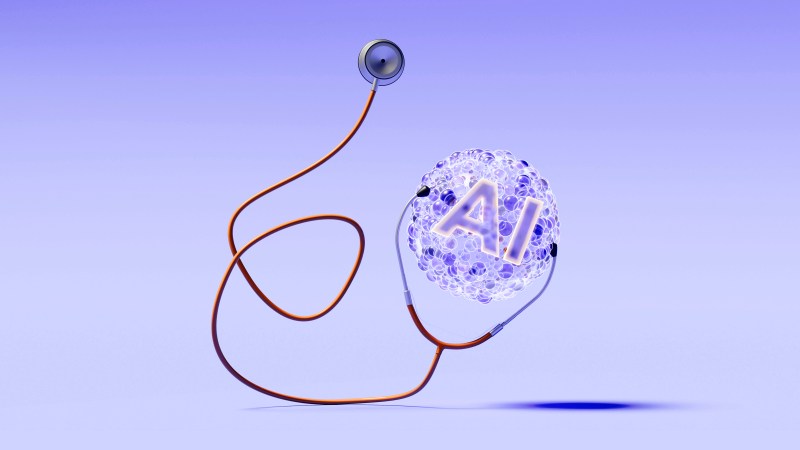
A glowing blue circular AI symbol hovers above a stethoscope, which is swirling in a dynamic, futuristic motion. This conceptual image represents the convergence of artificial intelligence and healthcare, symbolizing the role of AI in revolutionizing medical diagnostics and treatment methods. The swirling motion adds a sense of energy and innovation to the scene, highlighting the cutting-edge nature of AI in the medical field.
Opinions expressed by Entrepreneur contributors are their own.
You're reading Entrepreneur Europe, an international franchise of Entrepreneur Media.
With modern lifestyles, staying healthy often feels like an uphill battle. The importance of eating well, taking regular exercise and looking after our mental health are well publicized, but maintaining healthy habits is something many of us still struggle with.
Data from the WHO shows that nearly one-third (31%) of adults worldwide –or approximately 1.8 billion people–did not meet the recommended levels of physical activity. Even with the best of intentions, the vast majority fall short due to the rise of sedentary work environments and the prevalence of ultra-processed foods.
Meanwhile, 95% of the adult population in France is exposed to a risk of deteriorating health because they do not get enough exercise or spend too much time sitting. In England, 25% of adults are currently deemed to be inactive, with more than 11 million doing less than 30 minutes of total activity in a week.
The risk associated with sedentary behaviour is a serious cause for concern, correlated to a higher risk of cardiovascular disease, type 2 diabetes, depression and premature mortality, alongside a host of musculoskeletal complications. Investing in improving health and well-being is a key preventative measure. Not only does it reduce the burden associated with long-term poor health but promotes economic stability and productivity.
However, making improvements is often easier said than done. The typical conditions associated with modern life mean that there are multiple contributing factors that individuals must consciously and constantly work against to maintain good health. The overwhelming nature of the task can become an additional burden.
According to Benjamin Gardner, a social psychologist specialising in habitual behaviour at the University of Surrey, “people are becoming more sedentary because it’s what society has encouraged. It’s not that anyone’s deliberately pushing it. It’s just as things get more efficient, we don’t have to move around so much.”
Can AI could help us to flip the narrative? For example, by putting data into the hands of each individual, we can empower healthy lifestyle choices and detect signs of disease at the earliest stages. AI can also help both public and private organizations to take positive action in addressing this healthcare crisis to improve the wellbeing of employees and reduce the incredible economic impact stemming from poor health.
The latest tech breakthroughs offer a glimmer of hope, giving us a way to build lasting solutions that fight the root cause of preventable diseases. From optimizing work environments and personalized fitness to tackling mental health, let’s take a closer look at three ways AI can create a healthier workforce for Europe in 2026.
AI gives rise to the health-oriented business
For adult professionals in Europe, the majority of their week is spent at their place of work. This means that the conditions of this environment have a sizable impact on their overall health and wellbeing.
Using AI to optimize the work environment to meet the unique needs of each person could be revolutionary when it comes to tackling the ticking time-bomb of poor health and absenteeism in Europe. For example, it’s widely known that it’s highly advisable to take regular screen breaks to reduce eye strain and tackle sedentary behaviour.
However, busy schedules and competing workplace priorities often mean that workers override these planned breaks. In addition, since COVID-19, the rise in hybrid contracts means that many employees spend a few days a week working from home. With no need to commute or walk to a different floor to get lunch, it automatically makes getting enough movement into each day an even bigger challenge.
Researchers suggest that 120-180 minutes is the maximum limit that we should spend sitting at any one time, where optimally every 30 minutes the sitting should be replaced with a light activity. AI can be programmed to work with thresholds such as this, combining them with the unique daily schedule for each employee. This system not only reminds people to take regular breaks, but it can help to optimize calendar planning to make sure workloads are conducive to healthy habits based on how the behavior is actually. The software can also be connected to wearable devices. This can trigger a warning based on the heart rate or breathing patterns that indicate stress or sedentary behavior.
At the same time, some of the most transformative potential stems from AI’s ability to reprogramme employee workstations. Wearable tech is a step in the right direction, but the latest AI innovations mean that we can now calculate the individual biometric data for employees, but also take into account the physical environment using sensors and image recognition algorithms built into the desk, screen and chair.
The combined data offers an unprecedented level of insights that allow for extremely personalized ergonomic Improvements to reduce immediate physical strain, tackle stress and encourage preventative care and healthier habits before issues escalate. In the UK, where workers are “more likely to persevere at work through sickness” compared to EU counterparts, the Institute for Public Policy Research (IPPR are calling for a reimagining of the role that businesses play in the health of the population, suggesting tax incentives for companies that commit to “significant improvements in the health of their workforce” and calling on investors to recognize the benefits of health-orientated businesses. If plans such as these become commonplace across Europe, AI is ready to help companies deliver.
Tackling the root cause of preventable disease with tech
The rise of smart devices and wearable tech means monitoring the heart rate, calculating quality of sleep or counting the number of steps taken each day. This unprecedented access to personal biometric data is the first stage to empowering individuals to take control of their health. What is still missing to deeper go beyond the few biometrics used by wearables, for example deeper undrestand the spine health, breathing (lung) health, cognitive health, ambient health, and more.
However, if such wearable devices can be integrated with national healthcare systems in the future, Europe has a chance to enter a new era of preventative care that gets to the root cause of disease before it takes hold.
Although national healthcare systems in Western and Northern Europe are often seen as some of the best in the world, an aging population combined with more long-term illnesses has stretched these public systems to breaking point. With nurses and doctors in short supply and costs soaring, a WHO report showed that citizens across Europe are struggling to access basic care.
This means a large percentage of preventable diseases are going undetected, allowing problems to compound, ultimately costing more to treat in the long run. AI-powered preventative care could be our saving grace.
The technology can analyze various data sources, comparing individual biometric data with current guidance on disease indicators and populations at risk. AI can also support outpatient care in new ways, helping individuals to keep on track with medication, stay on track with diet guidelines or guide rehabilitation workouts post-surgery to name just a few examples.
This integrated, data-led form of screening will enable early intervention to improve patient outcomes and promote long-term wellbeing well into old age. As hardware and software solutions continue to grow more sophisticated, we can hope to treat even more complex conditions in this preventative manner to support a healthy society.
AI supporting mental health in the workplace
When it comes to building a healthy workforce, we need to take both physical and mental wellbeing into account.
The World Health Organization (WHO) defines ‘mental health’ as a state in which people cope well with the many stresses of life, can realise their potential, can function productively and fruitfully, and are able to contribute to their communities
Yet more than 84 million people in the EU are struggling with mental health problems. Poor working environments, including excessive workloads, job insecurity, harassment and discrimination, can exacerbate the prevalence of poor mental health.
Ultimately, this leads to lower levels of productivity, more absenteeism and a higher prevalence of comorbidities if stress is left unchecked in the workplace.
AI can help to tackle poor access to mental health services and the taboo that is often still associated with mental health conditions. AI chatbots offer immediate, confidential mental health support at any hour of the day or night. These tools can also be used to create personalized plans with coping strategies and stress relief techniques based on the symptoms of the individual.
There are also examples of the technology being used to analyze voice or typing patterns that are indicative of stress, depression or burnout. As with physical conditions, AI can identify the signals of a mental health condition at the earliest opportunity to provide immediate support. It can also work in a preventative capacity, identifying patterns of overwork, making sure vacation days are taken to help managers and employees build a healthier workplace.
Tackling the hidden cost of unhealthy behaviours with AI
Although the steps to a healthy lifestyle are clear, the true burden of bad habits often take years or even decades to rise to the surface, by which point diseases and health conditions are much more difficult to treat.
AI can help Europe build healthier work environments, empower each individual with personalized healthcare data and address stress and burnout, and understand the individual’s health status better than every other system in place to ultimately support a happier and more productive team and workplace culture.
With modern lifestyles, staying healthy often feels like an uphill battle. The importance of eating well, taking regular exercise and looking after our mental health are well publicized, but maintaining healthy habits is something many of us still struggle with.
Data from the WHO shows that nearly one-third (31%) of adults worldwide –or approximately 1.8 billion people–did not meet the recommended levels of physical activity. Even with the best of intentions, the vast majority fall short due to the rise of sedentary work environments and the prevalence of ultra-processed foods.
Meanwhile, 95% of the adult population in France is exposed to a risk of deteriorating health because they do not get enough exercise or spend too much time sitting. In England, 25% of adults are currently deemed to be inactive, with more than 11 million doing less than 30 minutes of total activity in a week.

Dr. Milad Geravand is the co-founder and CEO of healthtech startup Deep Care, where he leads... Read more