Mastering LinkedIn in 2026: 8 Practical Ways to Stand Out and Build a Valuable Network
LinkedIn has changed; your approach should too.
picture alliance | Getty Images
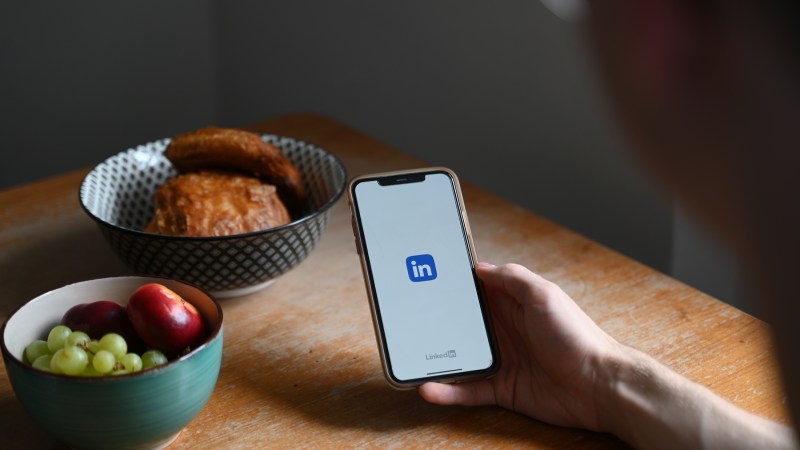
SYMBOL - 05 July 2024, Berlin: A man opens the LinkedIn social network app on his smartphone at the breakfast table. Photo: Alicia Windzio/dpa (Photo by Alicia Windzio/picture alliance via Getty Images)
Opinions expressed by Entrepreneur contributors are their own.
You're reading Entrepreneur Europe, an international franchise of Entrepreneur Media.
If your mind still pictures LinkedIn as an online job board or a place to post now and then, it’s time to rethink things. The platform no longer rewards surface-level activity. It now rewards clarity, usefulness, and consistent focus.
Posts that teach, invite discussion, or offer real value perform better than those that simply update or promote.
Here are eight grounded strategies for using LinkedIn more effectively in 2026 – without chasing trends or relying on outdated tactics.
1. Use clear, consistent language across your profile and posts
LinkedIn’s system now recognises patterns across your content. If you regularly post about tax compliance or fintech marketing and your headline and About section reflect the same topics, you’re more likely to be shown to people who are interested in those subjects.
To make the most of this:
- Use similar language in your posts, comments, and profile sections
- Avoid vague generalisations – be specific about what you do and who you work with
- Stick to a small group of topics you want to be known for, rather than changing focus each week
This helps both the platform and your audience understand what to expect from you.
Posts with mixed tone lose 42% of their potential reach; those with high intent clarity score 1.6x more dwell time.
2. Write for dwell time, not scroll-by visibility
Dwell time is now the most important metric in 2026 as it measures:
- How long someone pauses on your post
- Whether they click “See more”
- How far they scroll or interact
To trigger wider distribution (the second pass), your post needs to reach:
- Minimum dwell of 4.5 seconds
- Ideal dwell of 7 seconds+
- Save rate of at least 0.6%
To increase dwell time on your own posts, I advise to:
- Start with a sharp first line that creates a question or tension
- Use short paragraphs and line breaks (4–6 lines per chunk)
- Mix sentence lengths for rhythm
- Be succinct and precise – each sentence should earn its place
📊 Each extra second of dwell adds roughly 10–12% more reach.
When creating content for clients, I use visuals that help people understand my clients’ ideas
You don’t need to be a designer to stand out, but visual content now performs better than plain text.
Visual-first formats now outperform static text posts. These include:
- Vertical videos under 90 seconds, with captions
- Image-based carousels, ideally 5–10 slides
- Data cards and quote images
If you share a tip, framework, or process – make it visual. Use carousel slides (saved as a pdf) to create “progressive discovery,” which keeps people swiping and increases dwell.
📊 Carousel posts have 45% higher average dwell and 22% more saves compared to plain text posts.
If you’re telling a story, consider using photos to add context. Note that the new algorithm prefers real photos to stock images so an imperfect photo of you working in a cafe will perform better than the beautifully curated stock office image.
Just make sure the visuals are helpful as the goal is to support your message, not distract from it.
3. Write content that gets saved and shared, not just liked
Reactions like likes and emojis still help a post, but LinkedIn now pays closer attention to who saves or shares it. These actions suggest the content is valuable, not just entertaining.
To encourage this:
- Share insights people will want to refer back to later
- Write clear takeaways or frameworks
- Use lines like “Save this if you’ll need it next time you…” or “Share this with someone who…”
If a post is helpful and easy to understand, people are more likely to send it to others or keep it for future reference – which increases your visibility over time.
📊 A save rate of 0.6% is now the minimum threshold for second-pass reach expansion which is what you are aiming for to ensure LinkedIn pushes out your post to more members
4. Treat your profile like a mini website
When someone clicks on your profile after seeing a post or comment, that’s a chance to turn interest into trust.
Start with the About section. Make the first few lines clear and direct – who you help, how you help them, and what they can expect from you. Use the Featured section to show a few of your best posts or articles.
Make sure your headline includes relevant terms while still reading naturally. Avoid buzzwords or filler. A simple, honest profile builds more trust than a clever one.
To strengthen these sections:
- Use clear job-related language in your About section
- Repeat your topic focus (e.g. “cash flow strategy for consultants”) throughout
- Make sure the first 3 lines of your About section support the same theme as your posts
📌 Think of your profile as metadata – it teaches the system how to place you within the network.
5. Mix post formats and think long-term
LinkedIn now offers a range of publishing tools, and combining them is a smart way to keep people engaged. That includes:
- Short posts with one central insight
- Longer newsletters that explore a topic in more detail
- Carousels, videos or case studies that support your main message
For example, write a post that shares a short tip on pricing, then follow it up with a longer article or newsletter explaining how to implement it. Reuse strong ideas in multiple ways – not everyone sees everything the first time.
6. Use the new analytics to improve, not obsess
You can now see how many people viewed your profile after each post, how many new followers you gained, and how many saves and shares a post earned. These are helpful markers. Use this information to spot patterns. If people are saving your checklists or engaging with specific topics, that’s a cue to create more in the same direction.
Don’t over-analyse one post – instead, look for what keeps working over time.
7. Comment with purpose, not just out of habit
Each time you reply to a post with a precise, practical observation or follow-up point, you’re showing your expertise to their audience as well as your own.
Each comment is evaluated for:
- Relevance to topic
- Length (ideal: 35–140 words)
- Use of keywords
- Alignment with your prior posts
Treat your top comments as lightweight posts:
- Add value or ask a smart follow-up
- Refer to your own experience or work
- Avoid short phrases like “Great point” or “This”
📊 Posts that receive quality comments of 40+ words reach 1.8x more second-degree networks.
Leaving thoughtful comments on other people’s content is one of the most overlooked ways to grow your visibility.
8. Be consistent and plan ahead
LinkedIn rewards people who show up regularly with content that’s relevant, clear, and consistent.
Build post chains, not standalone updates
LinkedIn’s system now learns in sequences. If one post performs well, your next two posts are more likely to benefit from a temporary visibility boost.
This works best if:
- You follow up on a popular post with a deeper take
- You split longer content into Part 1 / Part 2
- You repurpose your best-performing ideas into a visual format
Consistency in voice, structure and topic trains the system to distribute your content more widely.
📌 Think in terms of sequences: strong posts support the next ones, even across formats.
This doesn’t mean you need to post every day. But it does mean you should:
- Stick to a small set of topics
- Create a loose content rhythm (e.g. one tip, one story, one opinion each week)
- Use simple formats that are easy to maintain
You’re not trying to go viral; you’re building trust. That comes from showing up with valuable ideas, week after week.
You don’t need to chase the latest trends or features to succeed on LinkedIn in 2026 but you do need to show up with focus, clarity, and a commitment to helping others. The best posts are written by people who understand their audience and care about making their work easier or better.
If you build that habit, you’ll stand out – not because you’re louder, but because you’re more useful.
If your mind still pictures LinkedIn as an online job board or a place to post now and then, it’s time to rethink things. The platform no longer rewards surface-level activity. It now rewards clarity, usefulness, and consistent focus.
Posts that teach, invite discussion, or offer real value perform better than those that simply update or promote.
Here are eight grounded strategies for using LinkedIn more effectively in 2026 – without chasing trends or relying on outdated tactics.

Melanie Goodman • Owner and Founder of Trevisan
Melanie Goodman is owner and founder of Trevisan. Melanie specialises in providing CPD-accredited LinkedIn marketing... Read more